
Through our Christian values, we want to ensure that our school is a place that enables our learners to learn and play, feel safe, happy and feel valued, where they are able to flourish and experience God’s wonderful world in all its fullness. We aim to provide rich, memorable learning experiences which build character in each individual child. Strong relationships underpin all we do where we value and respect each other’s uniqueness. We provide the space for all children to flourish and be the best they can be. Our ethos nurtures personal beliefs and attitudes, which enables all to seek meaning through life’s journey.

THANKFULNESS

Thankfulness- We appreciate all that we have
This also links in with our Harvest festival. Harvest is a festival we celebrate annually at St Luke’s Church where we give thanks for the food God has provided for us. We take the opportunity to collect donations for our local food bank as we recognise that some families in our communities are not always as fortunate as us.
Thankfulness has always been at the centre of the life and worship of God’s people. Under the Law of Moses, there were ‘thanks offerings’. Thankfulness is directed towards God who gives and sustains life. Seeing the world as God’s creation underpins the way we approach everything in life, seeing it as a gift and not as a right.
Thankfulness is important. Luke tells the story of the ten lepers who were healed and is probably challenging his readers to examine themselves when he tells of the amazement of Jesus that only one, a Samaritan, came back to thank him. (Luke 17:11-19).
Jesus gave thanks to God (Matthew 11.25) and although the word ‘thankfulness’ is not common in the Gospels, recognition of his dependence on the Father infuses the whole life of Jesus. Thankfulness is a wholehearted response. It stems from a consciousness of God’s gifts and blessings. It is a joyfulness that erupts into praise. Paul frequently encourages us to ‘be thankful’ (Colossians 3:15), to ‘give thanks in all circumstances’ (1 Thessalonians 5:18) and says that our lives should ‘overflow with thankfulness’ (Colossians 2:7).
For Christians the greatest of all acts of worship is simply called ‘thanksgiving’ – eucharistia in Greek – thanksgiving for the death and resurrection of God’s Son and the way of forgiveness that is opened up.
How can we demonstrate our value of thankfulness?
2 Chronicles 5:13 The trumpeters and singers joined in unison, as with one voice, to give praise and thanks to the LORD. Accompanied by trumpets, cymbals and other instruments, they raised their voices in praise to the LORD and sang: ‘He is good; his love endures forever.’
- Sing with all your heart in collective worship
- Say grace before meals
- Say ‘thank you’ as often as you can
- Be happy with what you have; try not to want more or take more than you need.
- Take care of the things you are given, including the world!
Luke 17:15-16 One of them, when he saw he was healed, came back, praising God in a loud voice. He threw himself at Jesus’ feet and thanked him – and he was a Samaritan.
- Thank people you don’t know- someone who holds a door for you or who lets you go in front of them
- Say thank you even if you are grumpy or if you have fallen out with someone.
- Write thank you notes to family and friends when you are given something.


TRUST
FRIENDSHIP

Proverb 17:17 ‘A friend loves at all times, and a brother is born for a time of adversity.’
‘Wounds from a friend can be trusted, but an enemy multiplies kisses.’ (Proverbs 27:6)
True friendship enables each person to grow and ensures that the unique individuality of each person is recognised. The special relationship we have with certain people; a friend loves and cares for you at all times. Christians believe that God’s friendship towards us will last forever. Friendship is a partnership of shared experiences, talents, interests and enthusiasms. Friends are not afraid to tell each other the truth and a friend’s loving criticism is worth more than the empty compliments of someone who does not really care for you.
How do we live this out in school?
- Be empathetic, listen to your friend’s thoughts and ideas
- Trust and respect others
- Accept others for who they are
- Support and stay with others, in good times and bad
- Congratulate others and enjoy their success
- Compromise and share
- Be truthful and honest
- Forgive others’ mistakes
‘I will be a good friend.’
We will be linking Friendship to the story of ‘Jesus heals a paralysed man’ (Luke 5:17-26)
PERSEVERANCE

Jesus frequently encouraged his disciples to ‘endure patiently’ the difficulties and obstacles they encountered and to persevere in the face of adversity. He himself trusted in God even when his enemies tried to stop his work and plotted his death.
How do we live this out in school?
‘I can do all things through Him who strengthens me.’ Philippians 4:13
‘Let us run with perseverance the race marked out for us.’ Hebrews 12:1
- Have a go – don’t be afraid to try and don’t give up
- Try your hardest, even when things are difficult
- Embrace challenges, don’t be afraid to make mistakes
- Learn from your mistakes and forgive yourself
- If a first you don’t succeed, try, try, try again
- You may not be there yet but you are closer than yesterday
- One thousand steps starts with one
- Reflect on your efforts and achievements
‘I will try, try and try again.’
We will be linking Perseverance to the story of ‘Noah’s Ark’ (Genesis 6-9)
COURAGE

he history of Christianity is rich in stories of courage and endurance, both from the Bible and to the present day. Christians are motivated by faith in the grace of Jesus in giving us his life as a model to be followed and so are prepared to stand up for what is right in the face of danger and hardship. Jesus told his followers that, ‘If anyone wants to be my disciple, let them deny themselves and take up their cross and follow me.’ (Matthew 16:24). For Christians, living with courage may mean sacrificing wealth, plans and ambitions in order to follow the path that God wills for them.
Courage is also about a life-long process of challenging ourselves to be the best that we can be – even when this becomes hard. For children at St. Luke’s, this could mean the courage to say ‘no’ when everyone else wants you to do something you do not want to do; the courage to stick at a task even when it is difficult or the courage to stand by your beliefs even when people laugh at you. This value is something that is important for children to develop as they go through their lives. It takes courage to stick at a task even when it is difficult and courage to stand by your beliefs even when people laugh at you.
How do we live this out in school?
1 Corinthians 16:13
‘Be on your guard; stand firm in the faith; be courageous; be strong.’
- Having the courage to say ‘no’ when everyone else wants you to do something you do not want to do.
- Having the courage to stick at a task even when it is difficult.
- Having the courage to stand by your beliefs even when people laugh at you.
- I will show courage even in tricky situations.’
We will be linking Courage to the story of ‘David and Goliath’ (Samuel 1:17)
JUSTICE
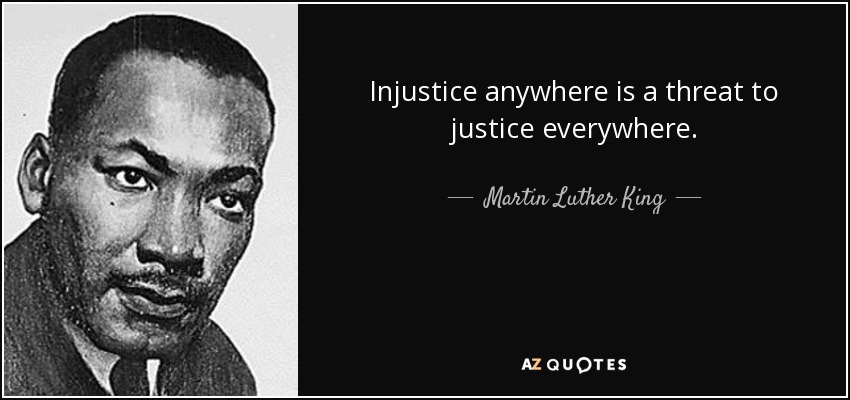
When thinking about ‘justice’, some people think first about giving wrongdoers the punishment they deserve. ‘Justice’ evokes ideas of ‘just deserts’, ’the punishment fitting the crime’, ‘an eye for an eye and a tooth for a tooth’. However, justice also means giving all people – particularly the poor and oppressed – what it is right and fair for them to have: life, health, freedom and dignity. It is about acting out of a concern for what is right and seeing right prevail. It is about social justice, especially for those who suffer most and are least able to protect themselves.
In Exodus, the people are instructed to deal with everyone fairly and never to show partiality to one group above another (Exodus 23:2,6).
The Bible emphasises that ‘The righteous care about justice for the poor’ (Proverbs 29:7). Isaiah says: ‘Seek justice, encourage the oppressed. Defend the cause of the fatherless, plead the case of the widow’ (Isaiah 1:17). Justice is the ‘plumb line’ by which society is measured (Isaiah 29:17).
Throughout the Bible, it is emphasised that justice is immensely important to God. It is fundamental to God’s character. ‘For the LORD is righteous, he loves justice; upright men will see his face.’ (Psalm 11:7)
Justice is not about a culture which encourages everyone to insist on their own rights at the expense of others. It is about a community that knows that everyone’s well-being is bound up with that of everyone else.
A commitment to justice leads to fierce opposition to injustice in whatever form it may be found. Justice is a pre-requisite of peace: without justice there can be no peace.
How can we show our value of Justice?
Deuteronomy 16:20 Follow justice and justice alone.
Proverbs 29:7 The righteous care about justice for the poor, but the wicked have no such concern.
Amos 5:24 But let justice roll on like a river, righteousness like a never-failing stream.
- Make sure people have what they need to be successful in lessons.
- Help those who need it.
- Pray for those less fortunate than us.
- Do charity work,
- Make donations to charities who help disadvantaged people around the world.
- Be understanding if someone has something different to you.


COMPASSION
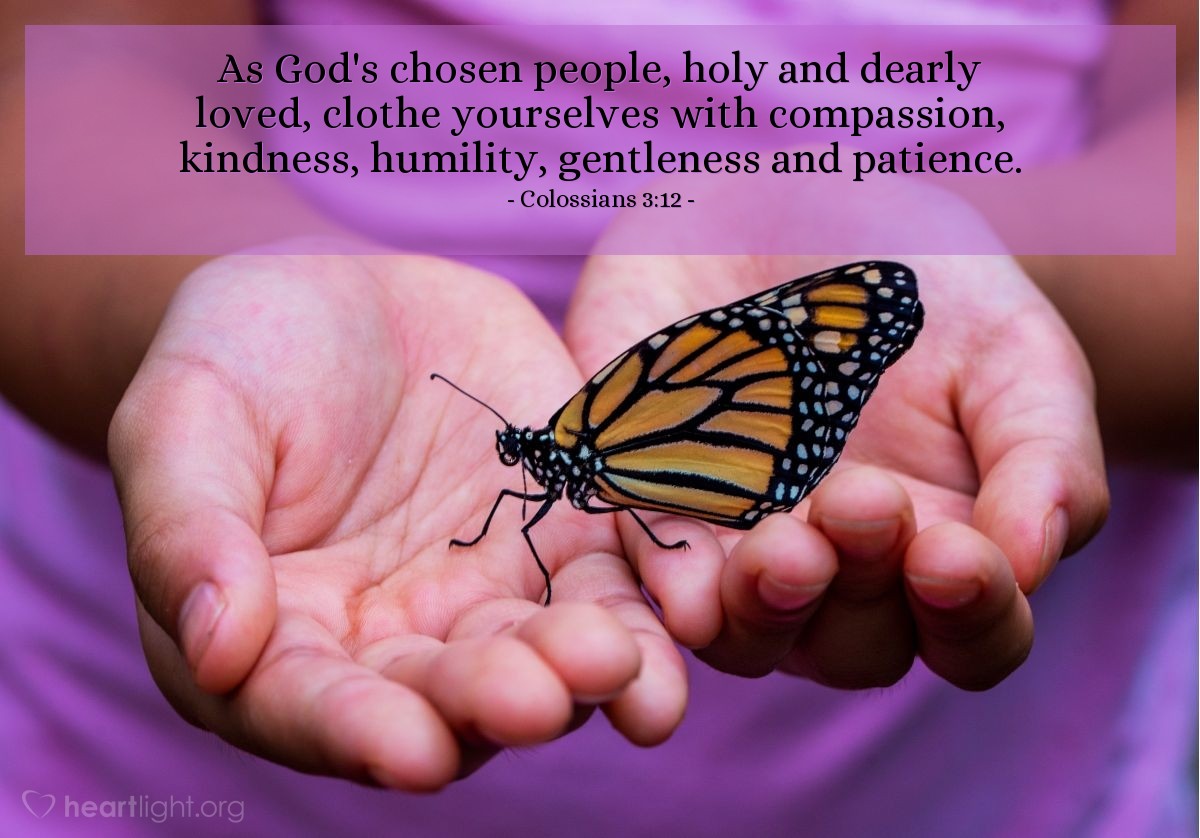
Compassion is caring about someone else’s feelings and trying our best to understand how others might be feeling, and offering to help that person. ‘The Lord is gracious and compassionate, slow to anger in rich in love. The Lord is good to all; he has compassion on all he has made.’ Psalm 145: 8-9 We can show that we are kind and caring by doing acts of kindness for anyone, friends, family or even people we don’t know. We show ‘Random acts of kindness’. We donate to charities. We try to be kind to everyone even if we are not friends or we don’t always get along. Praise be to the God and Father of our Lord Jesus Christ, the Father of compassion and the God of all comfort, who comforts us in all our troubles, so that we can comfort those in any trouble with the comfort we ourselves have received from God. 2 Corinthians 1: 3-4 We aim to follow the example of Jesus and treat others as we would wish to be treated Finally, all of you, live in harmony with one another; be sympathetic, love as brothers, be compassionate and humble. 1 Peter 3:8 We try to put ourselves in others’ shoes and think about how they might be feeling. We talk to people about how they are feeling if they want to and we pray for those who need it. Bible stories that help us to understand Compassion include: The Good Samaritan, Baby Moses in the Bulrushes, David spares Saul, A Widow and her Son, Jesus heals a leper.
‘Compassion’ and ‘sympathy’ have much in common and both are stronger in meaning than simply ‘feeling sorry for’ someone. The words have their roots in the idea of ‘suffering with’ someone, putting yourself in someone else’s shoes and experiencing what they experience. This leads to a desire to act, to do something.
It is not about ‘doing good’ from a position of strength or ‘remembering those less fortunate than ourselves’. Compassion requires an act of imagination and humility to share in the lives of others. Notice the qualities that Paul links together. He says ‘clothe yourselves with compassion, kindness, humility, gentleness and patience.’ (Colossians 3:12)
Jesus showed compassion towards the ‘harassed and helpless’ crowds (Matthew 9.36) and his works of healing were always prompted by compassion for people’s suffering. He wept at the death of Lazarus and was moved to act.
Christians have always had to wrestle with the problem of how a loving God could allow there to be evil and suffering in the world. There is no simple answer to this but we make the first step towards understanding when we grasp the idea that God the Father is not passively observing the suffering of the world from the outside. God fully identified with human suffering in the life and death of Jesus and continues to work to transform the sufferings of the world through the work of the Holy Spirit.
How can we demonstrate our value of compassion?
Psalm 145: 8-9 The Lord is gracious and compassionate, slow to anger in rich in love. The Lord is good to all; he has compassion on all he has made.
- Do acts of kindness for anyone- your friends, family, strangers
- Random acts of kindness challenge!
- Charity donation or work
- Be kind to everyone even if they are not your friend or you don’t get along very well
2 Corinthians 1: 3-4 Praise be to the God and Father of our Lord Jesus Christ, the Father of compassion and the God of all comfort, who comforts us in all our troubles, so that we can comfort those in any trouble with the comfort we ourselves have received from God.
- Follow the example of Jesus
- Treat others as we would wish to be treated
1 Peter 3:8 Finally, all of you, live in harmony with one another; be sympathetic, love as brothers, be compassionate and humble.
- Put yourself in others’ shoes and think about how they might be feeling
- Talk to people about how they are feeling if they want to
- Pray for those who need it.


FORGIVENESS

Jesus was uncompromising in his command to forgive. Forgive, he said, ‘seventy times seven’ (Matthew 18:21). In other words, forgive and keep on forgiving without limit. Forgiveness was at the heart of everything he did and is at the heart of the Lord’s Prayer. When Jesus declared a person’s sins to be forgiven, it often aroused the anger of those who were less willing to forgive than he was and yet a prayer for the forgiveness of his persecutors was on Jesus’ lips as he died. Christian preaching has always put forgiveness at the centre.
We forgive because we are forgiven. Paul says: ‘Be compassionate and kind to one another, forgiving each other, just as in Christ God forgave you.’ (Ephesians 4:32)
The parable of the Unjust Steward tells of a servant who was forgiven his large debt only to be condemned because he refused to forgive a small debt owed to him. Forgiveness cannot be given or received unless it is asked for, and the asking must be genuine and from the heart. Too often ‘sorry’ is said very easily, implying: ‘All I need to do is say I’m sorry and everything will be OK’. Real repentance demands that we take what we have done wrong with the utmost seriousness and have a deep desire not to do it again.
How can we demonstrate our value of forgiveness?
Matthew 6:14 For if you forgive men when they sin against you, your heavenly Father will also forgive you.
Matthew 18:21-22 Then Peter came to Jesus and asked, ‘Lord, how many times shall I forgive my brother when he sins against me? Up to seven times?’ Jesus answered, ‘I tell you not seven times, but seventy-seven times (or seventy times seven times).’
Colossians 3:13 Bear with each other and forgive whatever grievances you may have against one another. Forgive as the Lord forgave you.
- Forgive someone if they say or do something you don’t like.
- Try not to hold grudges.
- Help others to forgive if they are finding it hard.
- Give everyone a fresh start as you would like for yourself
- Forgive yourself if you make a mistake and offer an apology

RESPECT

Respect has different meanings but all play a part in how Christians value themselves and the lives of others. Respecting those that love and care for us, our parents, carers and those in the local community, is common in all traditions. We should appreciate what’s done for us, finding cooperation not conflict and take responsibility. Romans 13 states that we should ‘Pay others the honour and respect you owe them’.
Respect for others – everyone is special; everyone’s opinion matters; everyone’s contribution is important; everyone’s feelings should be considered; everyone’s faith is sacred.
Respect can mean simply treating each other with politeness and courtesy, and recognising that everyone’s contribution is important and that everyone’s feelings should be considered. we regularly discuss how respecting someone does not mean that we always agree with the other person but that we are prepared to listen and share our views without rudeness or impatience.
Christians recognise that respect needs to start with respect for ourselves and our own unique contribution to our homes, schools or communities. Having self-respect means being able to celebrate our gifts and talents, looking after ourselves and the bodies that God has given us. Having self-respect also means nurturing our talents so that we the best we can be, honouring how God has made us and being confident about who we are.
How do we live this out in school?
‘Do unto others as you would have them do unto you.’ John 2
- Respect yourself
- Treat others the way you would like to be treated
- Respect others’ thoughts, ideas and beliefs
- Embrace difference
- Look after your belongings and your equipment
- Take care of our school
- Take care of our environment
- Gain respect by giving respect
- Forgive others and seek reconciliation
‘I will show respect for myself, others and my school.’
We will be linking Respect to the story of ‘Jesus in the
Temple ’-John 2
SERVICE
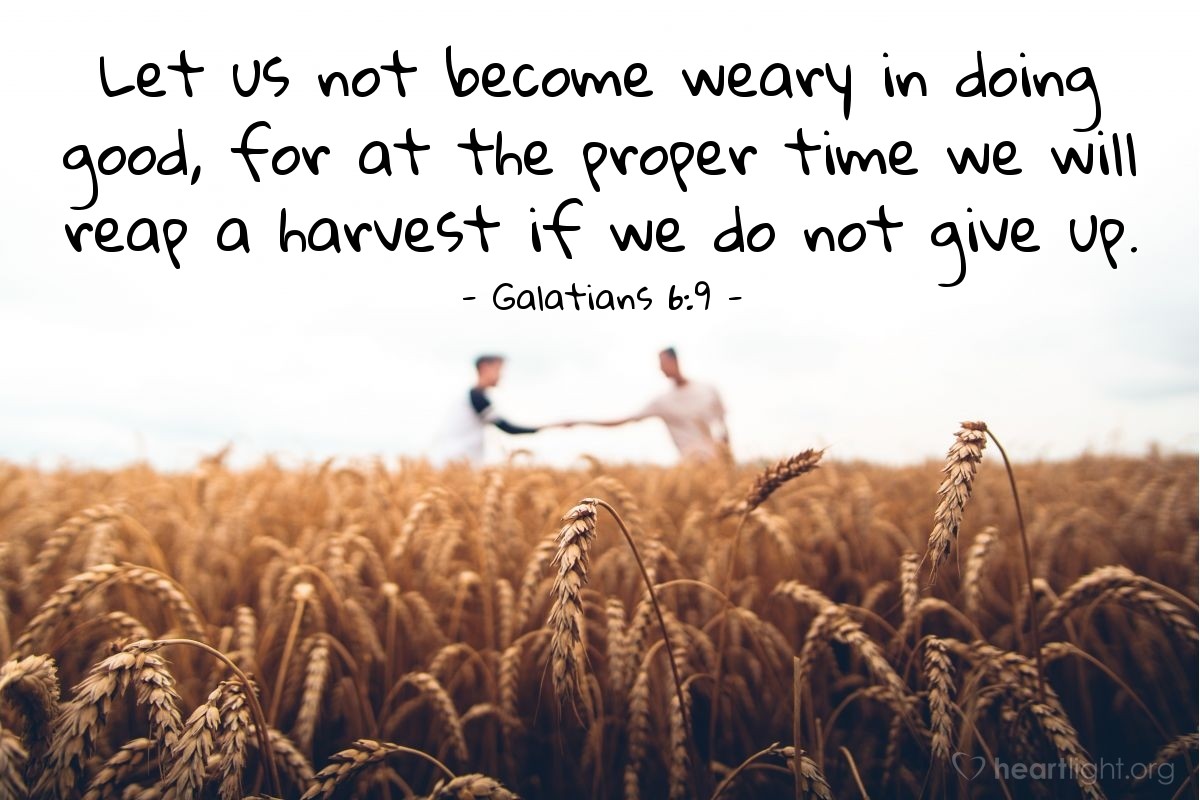
Words relating to ‘servant’ and ‘service’ are central in Christian theology. Some of the most important prophecies in Isaiah speak of the coming of the ‘Servant of the Lord’ and his role as a ‘suffering servant.’ That is why Jesus said that he ‘came not to be served, but to serve, and to give his life as a ransom for many.’
Jesus washed the feet of his disciples at the Last Supper. This turned upside down the normal relationship between master and disciple, leader and follower. In many ways, this astonishing action symbolises the essence of the Incarnation: God stooping to share the human condition. Jesus is very clear about the meaning of his action: ‘Now that I, your Lord and Teacher, have washed your feet, you also should wash one another’s feet. I have set you an example that you should do as I have done.’
The parable of the Good Samaritan shows we should serve those in need whoever they are. Such service is not offered to gain some advantage for ourselves. ‘Going the extra mile’ involves sacrifice, putting ourselves out for someone else’s benefit.
Serving God means serving others. It also means that we cannot serve other masters as well – such as money. However, the Christian message is equally clear that service is not all about restrictions. It is precisely in a life of service that we become most truly free.
How can we demonstrate our value of Service?
Galatians 5:13-14 You, my brothers, were called to be free. But do not use your freedom to indulge the sinful nature; rather, serve one another in love. The entire law is summed up in a single command: “Love your neighbour as yourself”.
- Think of others before yourself
- Let someone go in the line before you.
- Hold doors open and let people go first.
- Pass the glue to someone before you use it.
- Let someone play with a toy you wanted.
Luke 10:33-34 But a Samaritan, as he travelled, came where the man was; and when he saw him, he took pity on him. He went to him and bandaged his wounds, pouring on oil and wine. Then he put the man on his own donkey, took him to an inn and took care of him.
- Help people even if they are not your friend.
- Put rubbish in the bin rather than on the floor- put the world first
- Recycle as much as you can- put the world first
- Donate some of your pocket money to charity

TRUTHFULNESS

Biblical background: Christians believe that truth is revealed in the Bible and supremely in the person and life of Jesus Christ. Through Jesus’ teaching, we are given an insight into the nature of God and the way in which he means us to live.
Bible stories:
- Jacob and Esau
- The parable of the hidden treasure
- Joseph and his brothers
- Adam and Eve
Associated bible verse:
- ‘Tell the truth to each other.’ (Zechariah 8: 16)